
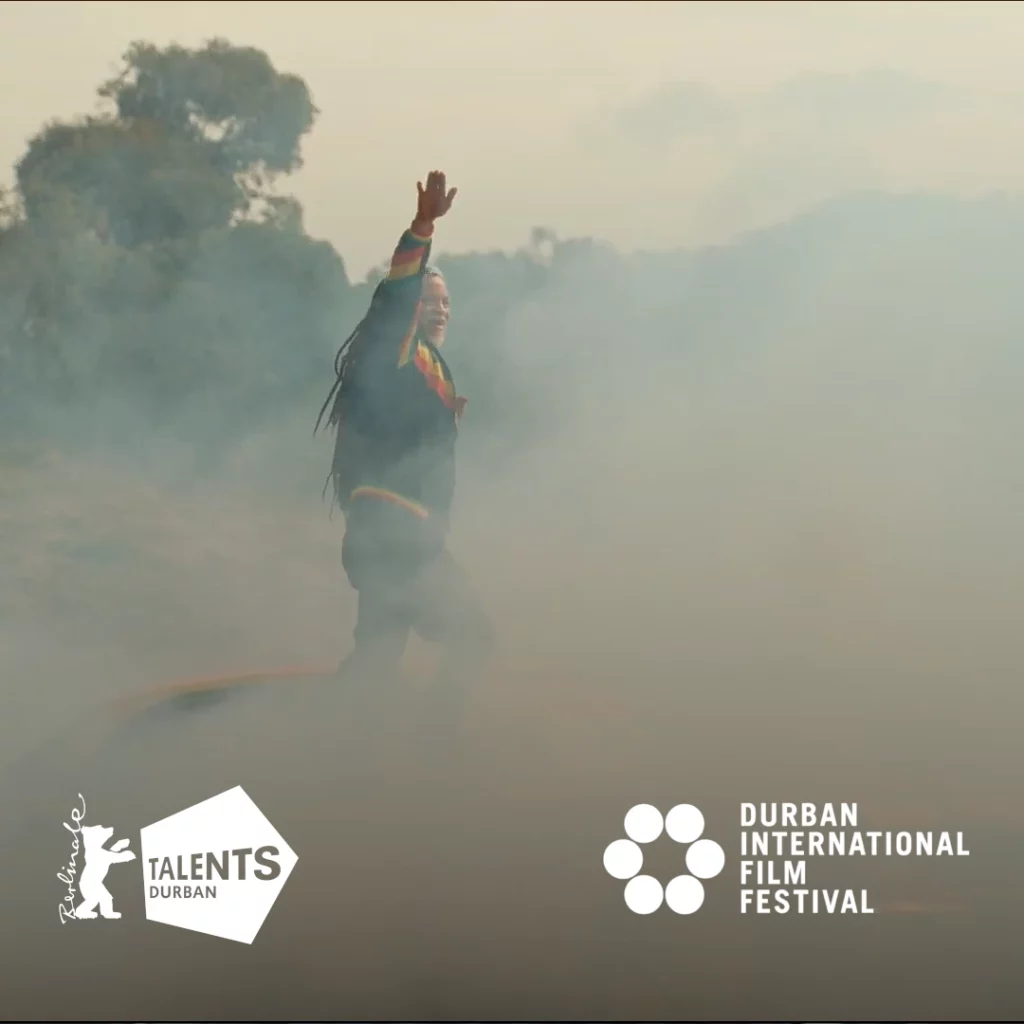
In the ashes of the Cape flats where the wind carries the whisper of gun fire and gospel, a beast was born called spinning. The Cape Flats is a sprawling urban area in Cape Town known for its apartheid history, systemic poverty and gang violence. Spinning is a South African motorsport that involves driving cars at a high speed in circles and performing stunts in and out of the car. Car spinning is performed as a funeral ritual in which a car spins around to honour the deceased. The camera slowy pans across groups of children playing and wandering through the streets of the Cape Flats. Lingering in spaces filled with both innocence and uncertainty. These quiet observations highlight the vulnerability of young people growing up in environments where opportunities are limited and the influence of gangs is ever-present. The film suggests that without safe spaces positive role models, many children become easy targets for gang recruitment. The camera invites the audience to see them as young lives shaped by difficult social and economic circumstances where the pull of gangsterism of begins long before they are old enough to understand its consequences. While spinning cars is largely associated with gangsterism and crime. Many participants are now legitimate performers, and the sport is embraced by the community. Spinning is a way to get young people off the streets and away from criminal activities. While informal and illegal street spinning happens in areas that have been neglected by the government, the culture has significantly evolved. The location truly shapes the narrative because the streets become spaces of performance, expression and survival.
The film captures the addictive scene of spinning culture, once drivers enter the arena it becomes difficult to walk away. The roar of engines, the cheers of the crowd and the waving of green flags create an electrifying atmosphere. For many performers, spinning is more that a hobby it becomes a way of life. Spinning is an art form that demands technical skill and complete control of the vehicle. The drivers impress spectators through freestyle, perfectly executed doughnuts and clean exits that demand mastery behind the wheel. Thick clouds of tire smoke become part of the performance. With the crowd erupting in excitement each stunt is completed. “From Dust We Spin” presents spinning as a space of transformation. For some it offeres an alternative to lives shaped by gangsterism, prison or even death. While the sport carriess undeniable risks, the documentary argues that spinning should not be dismissed because of its recklessness not a cultural practice where resilience and exceptional driving skill becomes a means of rewriting a persons future. The documentary features the minister, Gayton Mckenzie who aims to formalize the sport by announcing to the community that the Department of Arts and Culture will be contributing 5 million to the spinning sport. Organized events will now take place at designated areas like racetracks with safety measures in place attracting thousands of families and spectators. With the government officials actively supporting its formalization and growth.
We are introduced to Logan a 19 year old girl that is in grade 11. She is bullied by her peers in school which results in depression. Her parents explain that she has been in and out of psychiatric hospital. Not only does the director put emphasis on social impact, emotional depth and mental health awareness within the documentary. Eventually Logan had reached a point where she wanted to commit suicide and end her existence. This becomes the climax of the documentary because her parents help her overcome depression and her father’s friend who later becomes Logan’s mentor introduces her to spinning. Which in turn saves her life. Logan studies the car parts and is taught about the engine and every detail of the vehicle. Her mentor is adamant on not letting the car control you but you have to be in control of the vehicle. It’s about controlling a vehicle that is being pushed to its limits. The mentor teaches Logan how to spin and encourages her not to stop until the wheels fall off, which showcases the technical mastery and showmanship. As you can imagine spinning cars at a young age is not recommended and her mother is against this because of the high risks. The director portrays spinning as an escape and a livelihood. This documentary clearly challenges traditional ideas of what it means to be resilient. Followed by dynamic tracking shots following the spinning cars. Spinning creates a sense of family and belonging. Where Logans mother ends up supporting her daughter on the field. Cinematography reveals the scale of the crowds, with low angle shots that emphasize speed and power. The director puts emphasis on the close-ups of the drivers’ concentration and the spectators reactions. The sound design also plays a huge role combined with tire screeches, music and crowd noise to immerse viewers in the atmosphere.
There are limited opportunities in the Cape Flats and high levels of unemployment and gangsterism. The director explores that spinning offers an alternative form of purpose and recognition. The public perception of spinning does have a perception of criminality versus the community’s lived reality. By highlighting the community and the youth are trying to avoid gang life. The film argues that spinning is far more than burning rubber, it is a language of identity, resilience and community. It reveals how people create spaces of joy, recognition and belonging even in environments shaped by inequality. By looking beyond the spectacle, “From Dust We Spin” invites audiences to see the Cape Flats not only through the lense of hardship. Through creativity, pride and humanity of those who call it home.
This review emanates from the Talent Press programme, an initiative of Talents Durban in collaboration with the Durban FilmMart Institute and FIPRESCI. The opinions expressed in this article are those of the author (Hlumela Luvuno) and cannot be considered as constituting an official position of the organisers.